-
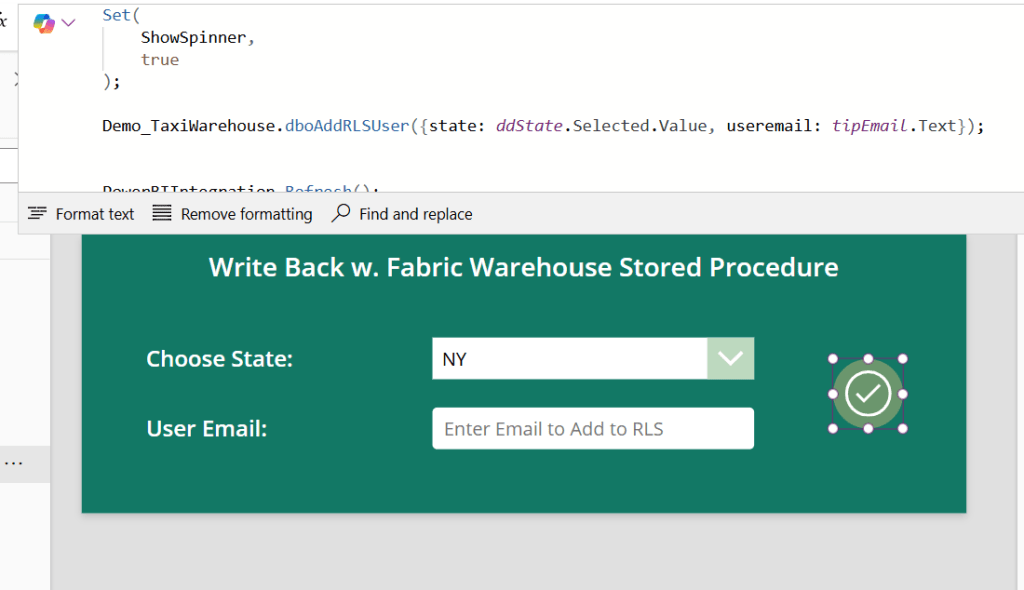
Introduction Recently I posted my guide on Data Write-Back to Fabric Data Warehouse with Power BI and Power Apps: Live Data Write-Back to Fabric Data Warehouse from Power BI w. Power Apps and Power Automate – Downhill Data (downhill-data.com) That solution uses Power Automate to circumvent the traditional Power Apps x Fabric problem, of Fabric…
-
Introduction Half a year ago, I wrote a blog post on creating Measure Tables in Fabric Data Lakehouses directly in the browser: How to create Measure Tables in Microsoft Fabric – Downhill Data (downhill-data.com). Back then, Data Warehouses were less relevant for the story, as they could not be used for Direct Lake models, and…
-
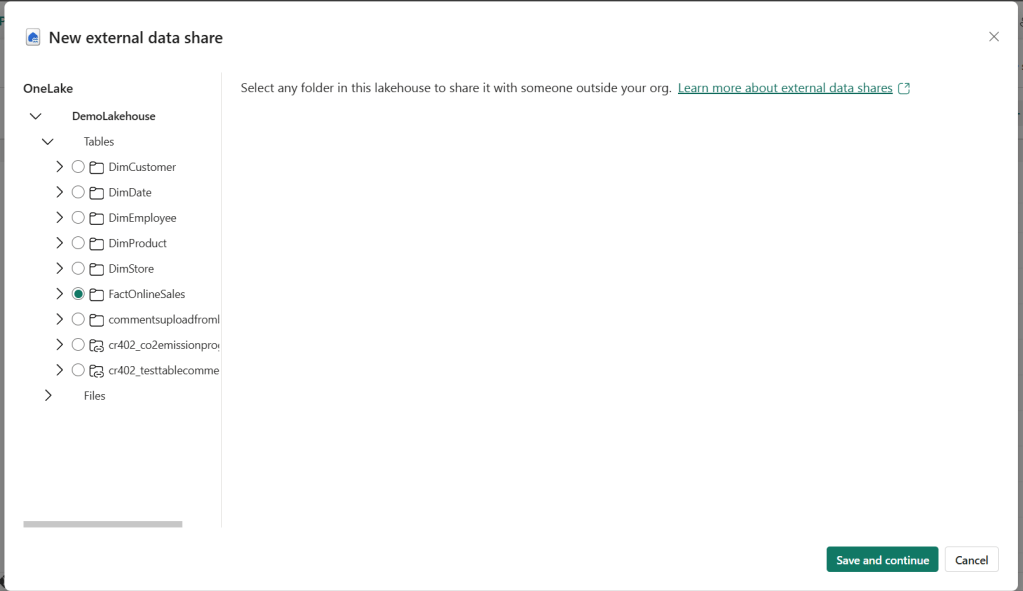
Introduction Last week I blogged about sharing Semantic Models in Fabric / Power BI with external users, and also teased that semantic models are not the only type of object that we can share with externals. This week, we look at how you may invite guest users directly into your Lakehouses (and also KQL databases,…
-
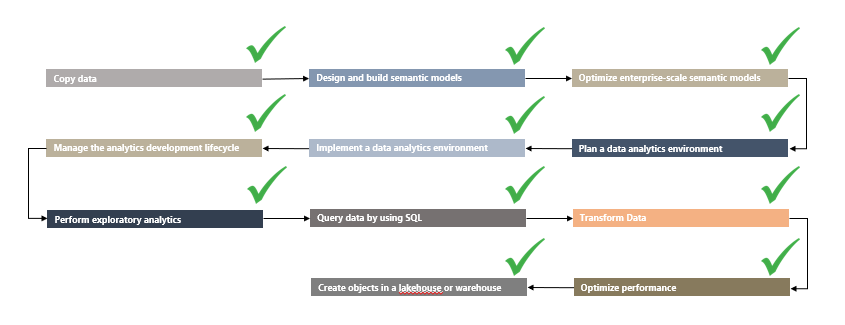
Introduction Yesterday, I participated in the Swedish Power BI User Group to discuss a topic that has been heavily on my mind since the introduction of Microsoft Fabric. As a Power BI user and Data Analyst, how will I fare on a Platform with so many possibilities, and yet so many requirements? What will my…
-
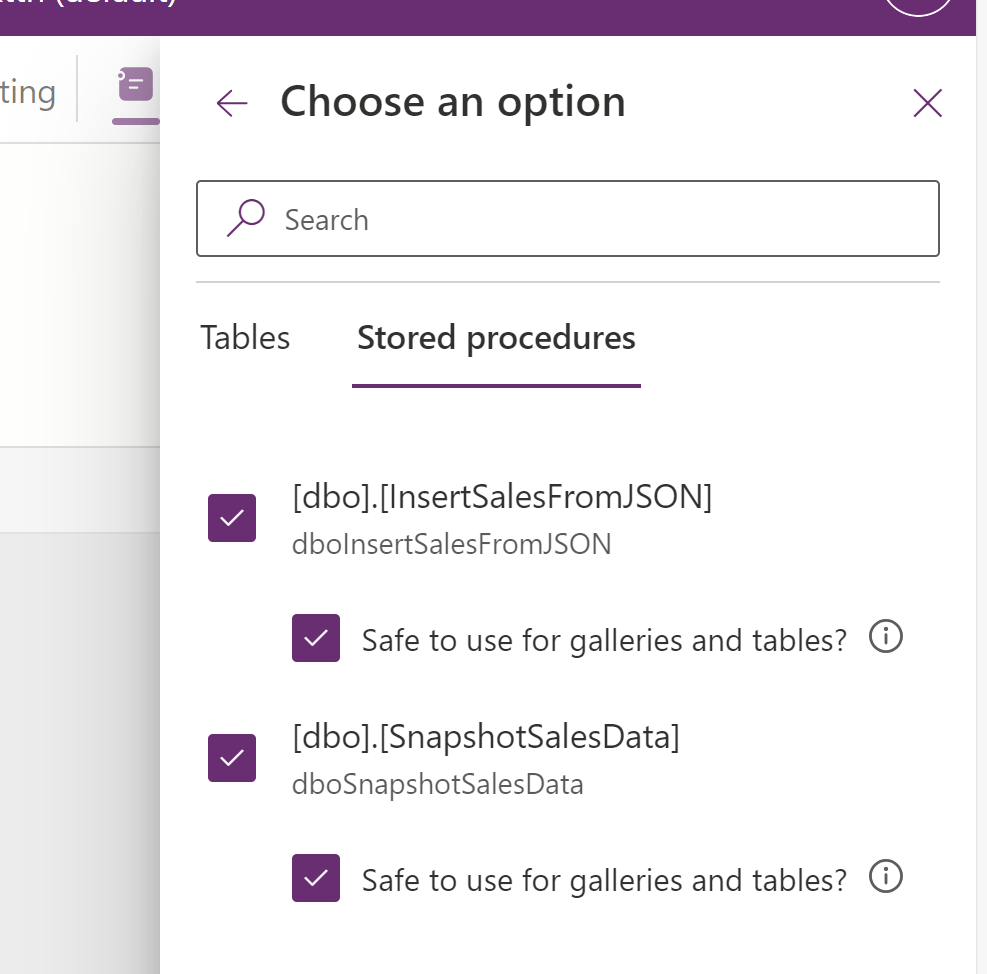
Introduction What to you get when you mix the recently-gone-generally available Stored Procedure functionality in Power Apps with Stored Procedures in a Fabric Data Warehouse? A match made in heaven is what, I tell you. This blog will introduce you to the general principles of working with Stored Procedures in Power Apps (not just for…
-

Introduction I’ve previously written about sharing Power BI Reports with Externals, both through Power BI Embedded (using Power Pages) and to guest users in the Power BI Service. However, a new addition to the line-up of capabilities in Microsoft Fabric allows us to share Semantic Models directly with external users as well, enabling entirely new…
-
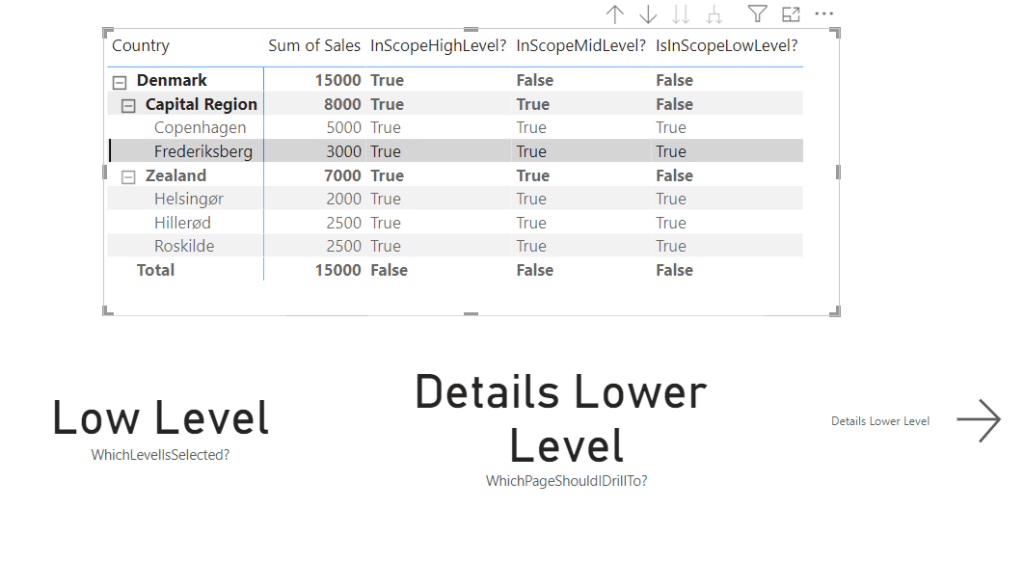
Introduction Hierarchies in Power BI are a blessing and a curse. From an End User perspective, they provide great context, and may acts as funnels guiding analysis. But from a developer point-of-view, they often also come with a range of not-so-basic requests. Have you for example encountered one or more of the following user requests?:…
-

Introduction An overlooked feature of Power BI, is the ability to create deep links for specific Report Pages, to aid users in navigating to a specific place in your report, decided by you, the report developer. Combined with the ability to add filters to these deep links, and you have a super powerful way to…
-

Introduction Power BI Reports on TV Screens are a work of art. They need to be curated with extra care, as interaction between user and report is (usually) not possible or very limited. Further, in terms of technicalities, the report needs to be displayed with as few distractions as possible, and it needs a way…
-
Introduction Data write-back is a topic dear to me, and you may have come across one of my other articles on the subject: Guide: Add Write-Back to Power BI reports with Power Apps – Part 2: Display write-back data LIVE in Power BI reports – Downhill Data (downhill-data.com) With the announcement of Microsoft Fabric, one…
-
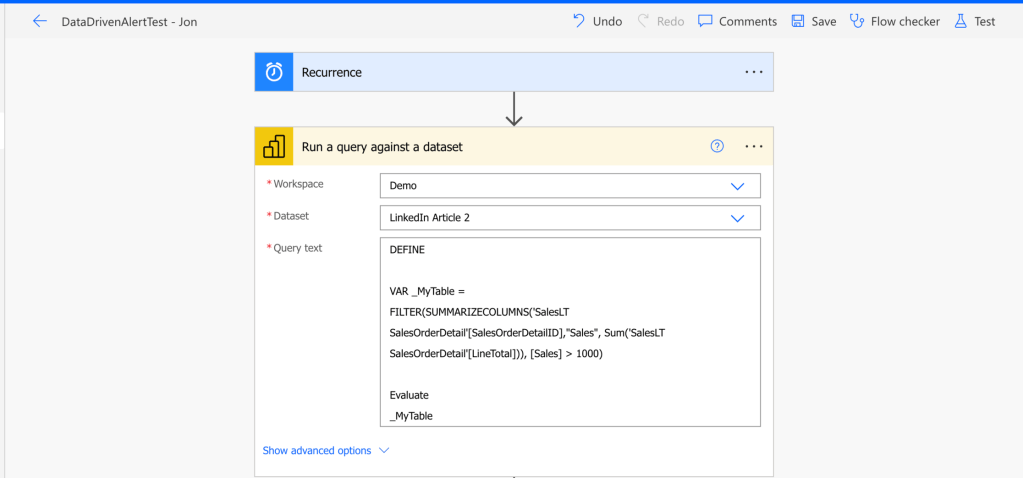
Introduction If you have tried setting up alerts in the Power BI Service, you have most likely encountered a couple of annoying limitations: Data Activator in Fabric works pretty great, but is best done on streaming data and requires a Fabric Capacity to use. So what do you do, if you are working with Power…
-

Introduction Working with API data is often a task reserved for pro-coders. But in Microsoft Fabric, we can leverage the low-code Dataflows Gen2 to connect to any API and output the data to our Fabric Data Lakehouse or Data Warehouse. The article below takes you through the entire process, step by step, of connecting to…

Hi, I’m Jon.
I blog about Microsoft Fabric, Power BI, Power Apps & Power Automate, and speak at conferences about data, business intelligence and data driven decision making.
Subscribe below to avoid missing out on the latest guides and articles!

 Downhill Data