Data Warehouse
-
Introduction In Microsoft Fabric, whenever we create a new Lakehouse or Warehouse, a Default Semantic Model is created. However, we can also choose to create a Custom Semantic Model on top of our Lakehouses and Warehouses. A dual-concept which is confusing to many. This blog will try to explain: The TL;DR of this blog: It’s…
-

Default Data Destinations for Dataflows Ever had a Dataflow Gen2 in which you needed to map the output of several queries to the same Warehouse or Lakehouse? Takes a while to setup, right? If you wish to add a Default Destination to your Dataflow, all you need to do is to create the Dataflow from…
-
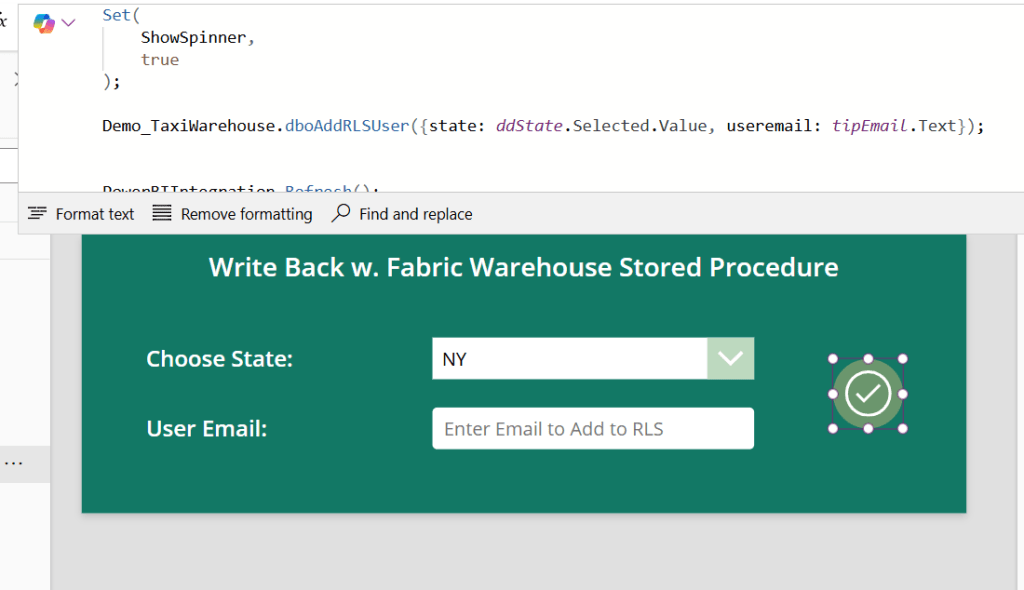
Introduction Recently I posted my guide on Data Write-Back to Fabric Data Warehouse with Power BI and Power Apps: Live Data Write-Back to Fabric Data Warehouse from Power BI w. Power Apps and Power Automate – Downhill Data (downhill-data.com) That solution uses Power Automate to circumvent the traditional Power Apps x Fabric problem, of Fabric…
-
Introduction Half a year ago, I wrote a blog post on creating Measure Tables in Fabric Data Lakehouses directly in the browser: How to create Measure Tables in Microsoft Fabric – Downhill Data (downhill-data.com). Back then, Data Warehouses were less relevant for the story, as they could not be used for Direct Lake models, and…
-
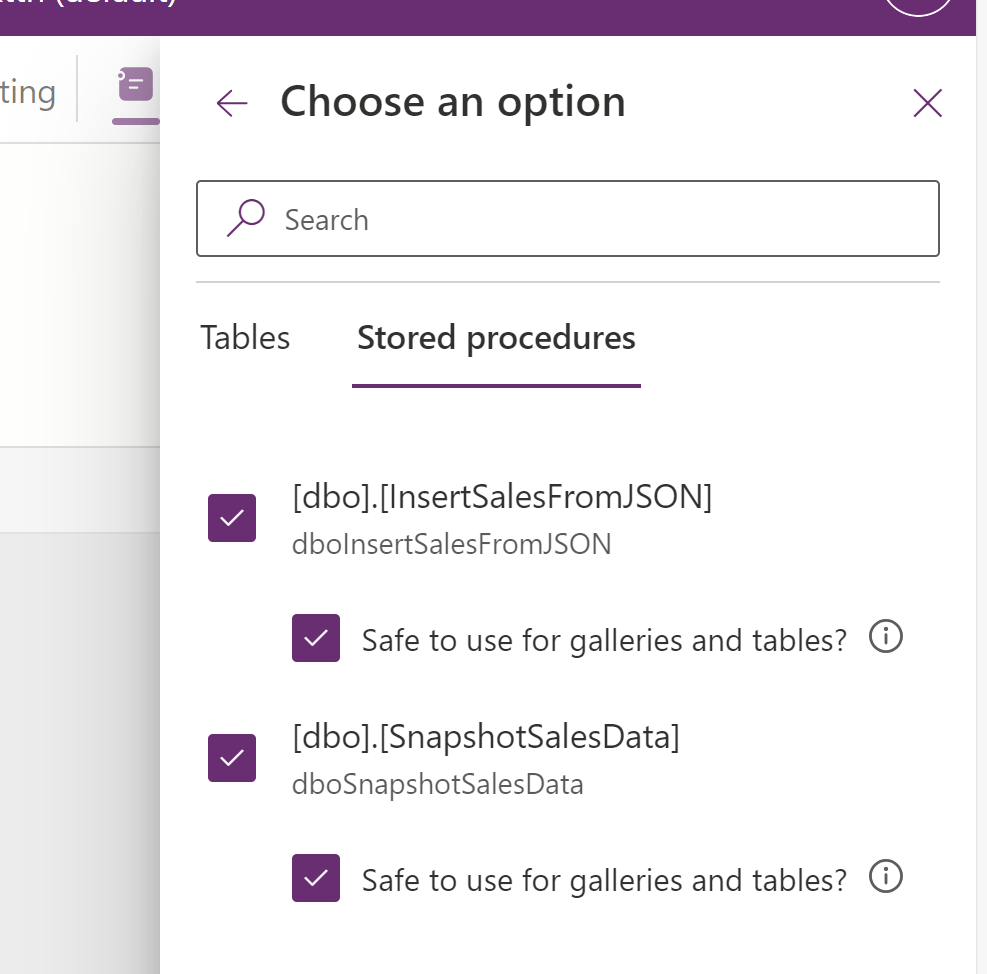
Introduction What to you get when you mix the recently-gone-generally available Stored Procedure functionality in Power Apps with Stored Procedures in a Fabric Data Warehouse? A match made in heaven is what, I tell you. This blog will introduce you to the general principles of working with Stored Procedures in Power Apps (not just for…
 Downhill Data