Semantic Model
-
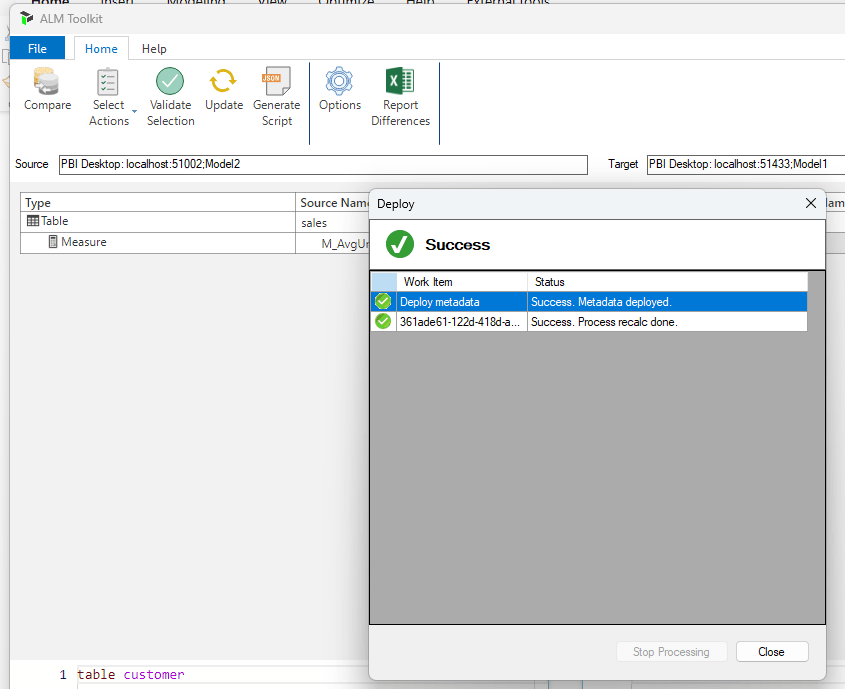
Introduction Recently, I was asked by a customer if I knew of a good way to merge the Calculated Measures of two different Semantic Models. The reason for this ask, was that the client was maintaining two separate Semantic Models using the exact same set of tables. The only difference was that one model was…
-
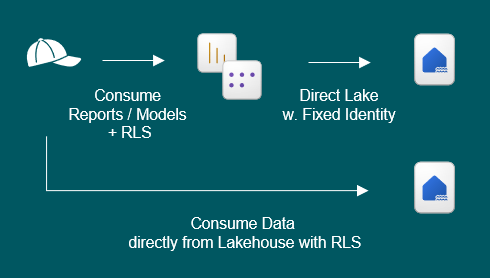
The Scenario Consider the following scenario: I am building a data platform on Microsoft Fabric, using Lakehouses as the primary storage engine. My end users need to consume data from the data platform as users of Power BI reports which connects to data from the Lakehouses, as developers of ad hoc models and report using…
-
Introduction In Microsoft Fabric, whenever we create a new Lakehouse or Warehouse, a Default Semantic Model is created. However, we can also choose to create a Custom Semantic Model on top of our Lakehouses and Warehouses. A dual-concept which is confusing to many. This blog will try to explain: What is the difference between the…
-
Introduction Half a year ago, I wrote a blog post on creating Measure Tables in Fabric Data Lakehouses directly in the browser: How to create Measure Tables in Microsoft Fabric – Downhill Data (downhill-data.com). Back then, Data Warehouses were less relevant for the story, as they could not be used for Direct Lake models, and…
-
Introduction RLS in Microsoft Fabric is a convoluted topic which at the time of writing, is not very clearly spelled out for users. Most documentation refers to setting up RLS on Data Warehouses or Data Lakehouses by applying permissions directly on the tables: Row-level security in Fabric data warehousing – Microsoft Fabric | Microsoft Learn…
-
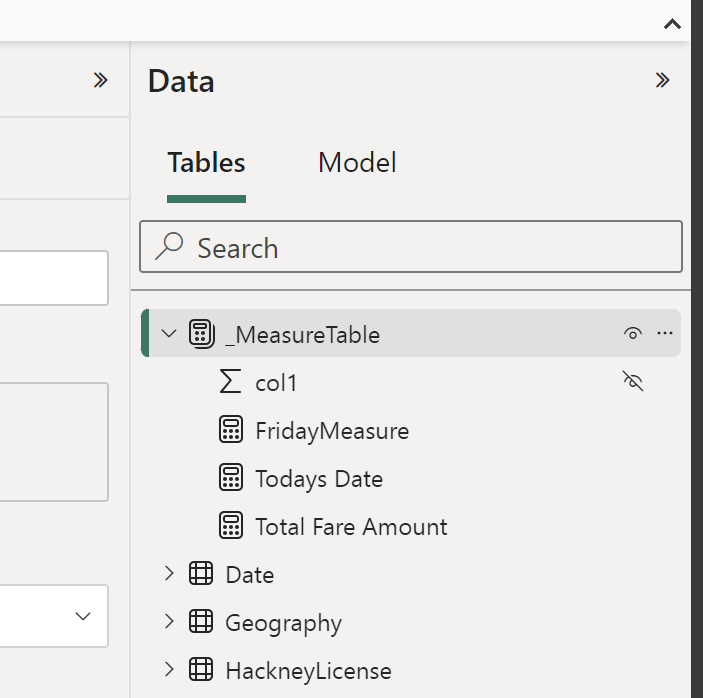
Creating Measure Tables in Microsoft Fabric Semantic Models Measure Tables have long been used to store Measures in Power BI Semantic Models. However, in Microsoft Fabric, where most of the data modeling takes place in the browser, at least if we wish to reap the benefits of the DirectLake storage mode, the process of creating…

