Governance
-
Introduction We’ve arrived at the final level of detail in our series on Organizing your Microsoft Fabric Data Platform. So far we’ve covered, from broadest to narrowest scope: Domains & Subdomains Workspaces & Workspace Types Workspace Folders This time we go all the way down to the Item level on our platform, and describe strategies…
-

Introduction If you’ve been following this blog, you know that Fabric Governance and Administration is a topic I care deeply about. Previously we’ve covered Domains and Workspaces as constructs you can leverage for organizing your platform. Today, we handle the next level of detail: Workspace Folders. Every time I see a new Fabric Data Platform,…
-
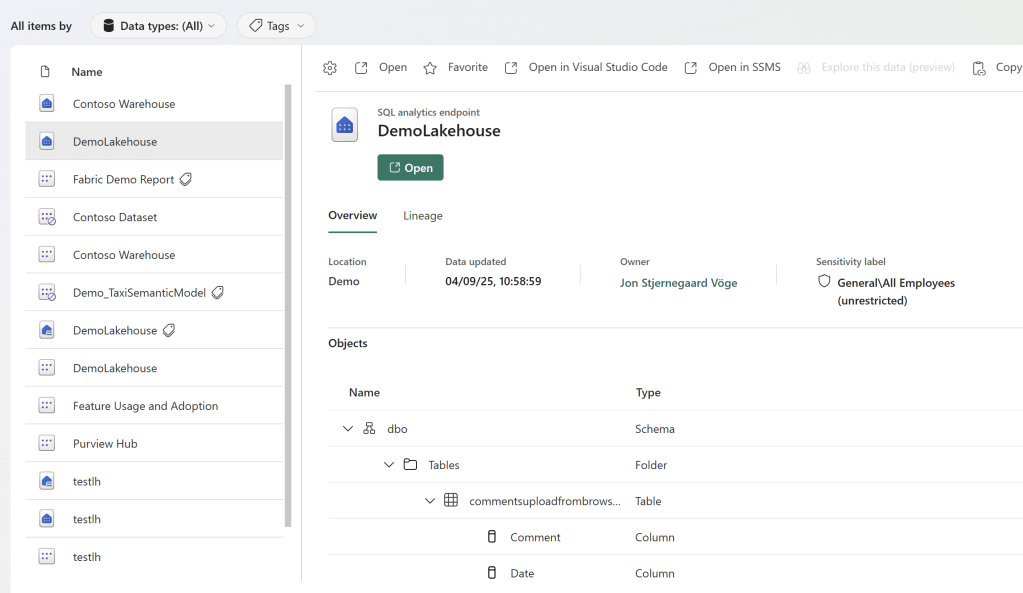
Introduction So you built a nice Data Platform on Microsoft Fabric. Users are happily using a few Models and Reports, but you face two problems: Users are not aware of all the other awesome models, reports and even lakehouses that they already have access to, which they should be using. Users also don’t know anything…
-

Introduction Microsoft Fabric encourages a broader audience of people to collaborate on the same platform than what we are used to. Backend Developers, Frontend Developers and End Users are all logging in to the same website, and the lines dividing where each role starts and stops are more blurred than ever. A topic which seems…
-
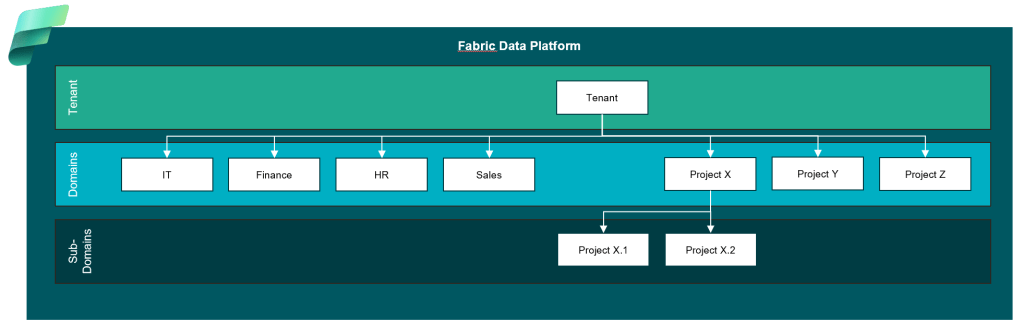
Introduction Microsoft Fabric encourages a broader audience of people to collaborate on the same platform than what we are used to. Backend Developers, Frontend Developers and End Users are all logging in to the same website, and the lines dividing where each role starts and stops are more blurred than ever. A topic which seems…
-
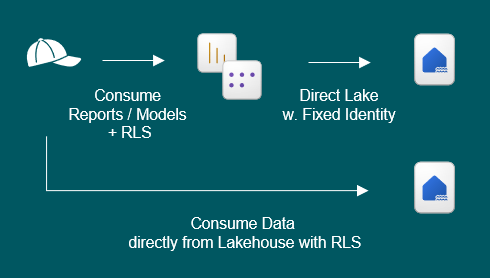
The Scenario Consider the following scenario: I am building a data platform on Microsoft Fabric, using Lakehouses as the primary storage engine. My end users need to consume data from the data platform as users of Power BI reports which connects to data from the Lakehouses, as developers of ad hoc models and report using…

