Data Warehouse
-
Introduction In Microsoft Fabric, whenever we create a new Lakehouse or Warehouse, a Default Semantic Model is created. However, we can also choose to create a Custom Semantic Model on top of our Lakehouses and Warehouses. A dual-concept which is confusing to many. This blog will try to explain: The TL;DR of this blog: It’s…
-

Default Data Destinations for Dataflows Ever had a Dataflow Gen2 in which you needed to map the output of several queries to the same Warehouse or Lakehouse? Takes a while to setup, right? If you wish to add a Default Destination to your Dataflow, all you need to do is to create the Dataflow from…
-
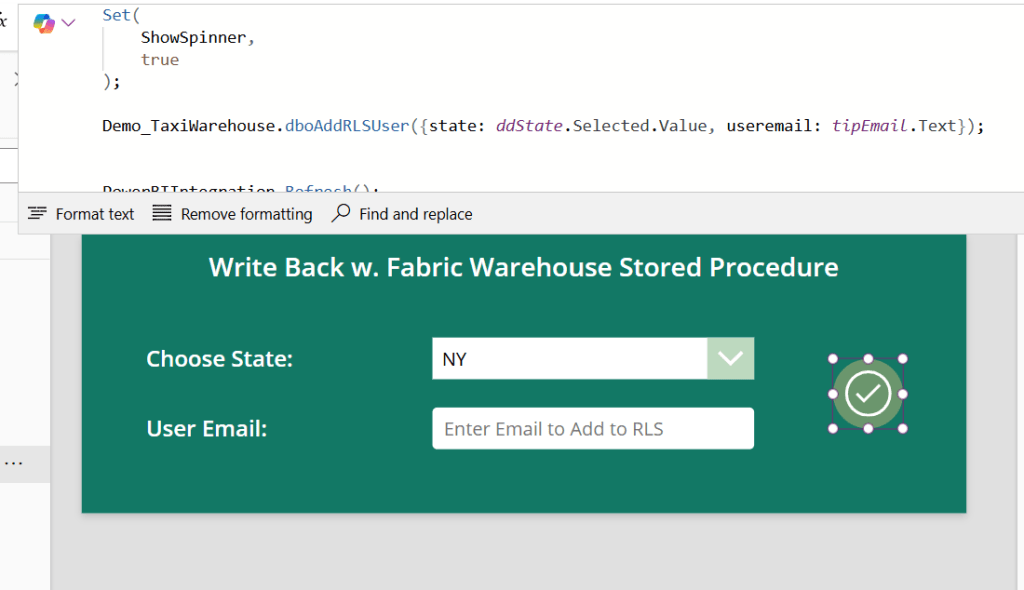
Introduction Recently I posted my guide on Data Write-Back to Fabric Data Warehouse with Power BI and Power Apps: Live Data Write-Back to Fabric Data Warehouse from Power BI w. Power Apps and Power Automate – Downhill Data (downhill-data.com) That solution uses Power Automate to circumvent the traditional Power Apps x Fabric problem, of Fabric…
-
Introduction Half a year ago, I wrote a blog post on creating Measure Tables in Fabric Data Lakehouses directly in the browser: How to create Measure Tables in Microsoft Fabric – Downhill Data (downhill-data.com). Back then, Data Warehouses were less relevant for the story, as they could not be used for Direct Lake models, and…
-
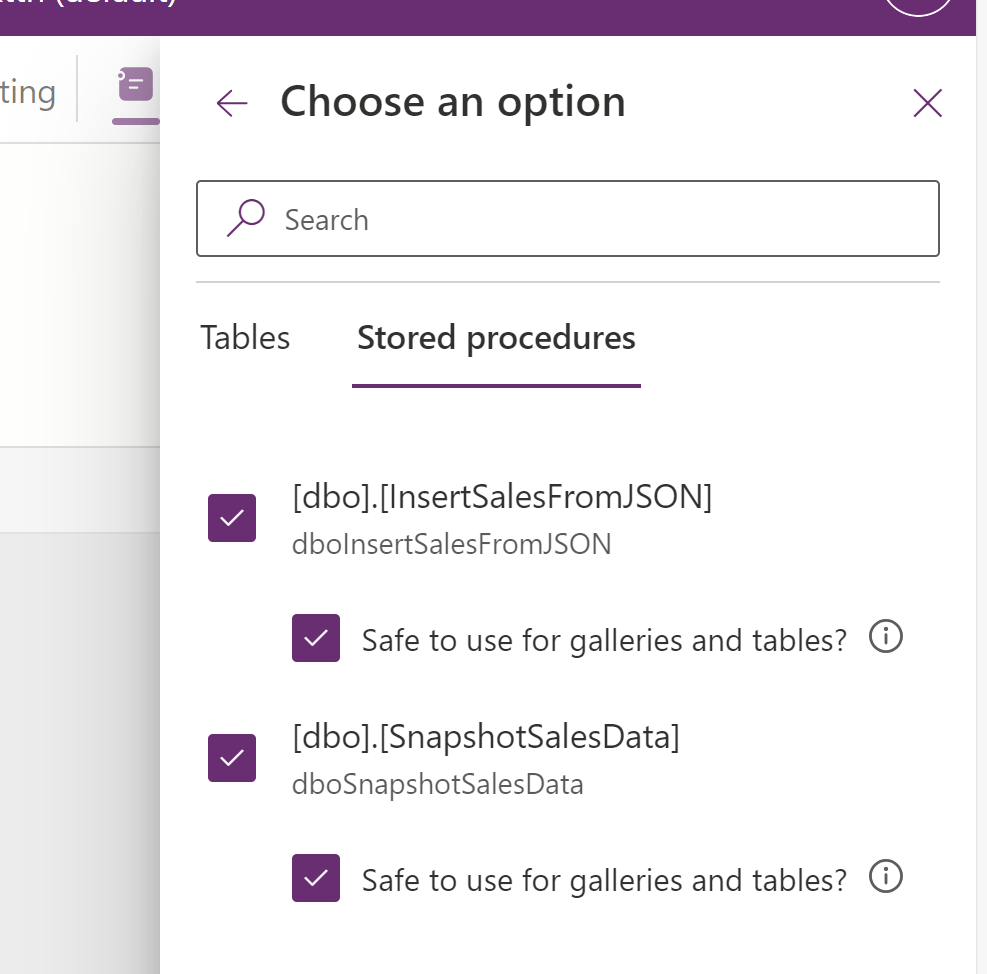
Introduction What to you get when you mix the recently-gone-generally available Stored Procedure functionality in Power Apps with Stored Procedures in a Fabric Data Warehouse? A match made in heaven is what, I tell you. This blog will introduce you to the general principles of working with Stored Procedures in Power Apps (not just for…
-
Introduction While Microsoft Fabric promises a collaborative workspace for Data Analysts, Engineers and Scientists alike, the person with the most to gain, and the least to lose, from the data mesh-like architectural patterns in Fabric is the Data Analyst. Do you, as a Data Analyst, recognize any of the following challenges? Then Microsoft Fabric might…
-
Introduction While Microsoft Fabric promises a collaborative workspace for Data Analysts, Engineers and Scientists alike, the person with the most to gain, and the least to lose, from the data mesh-like architectural patterns in Fabric is the Data Analyst. Do you, as a Data Analyst, recognize any of the following challenges? Then Microsoft Fabric might…
-
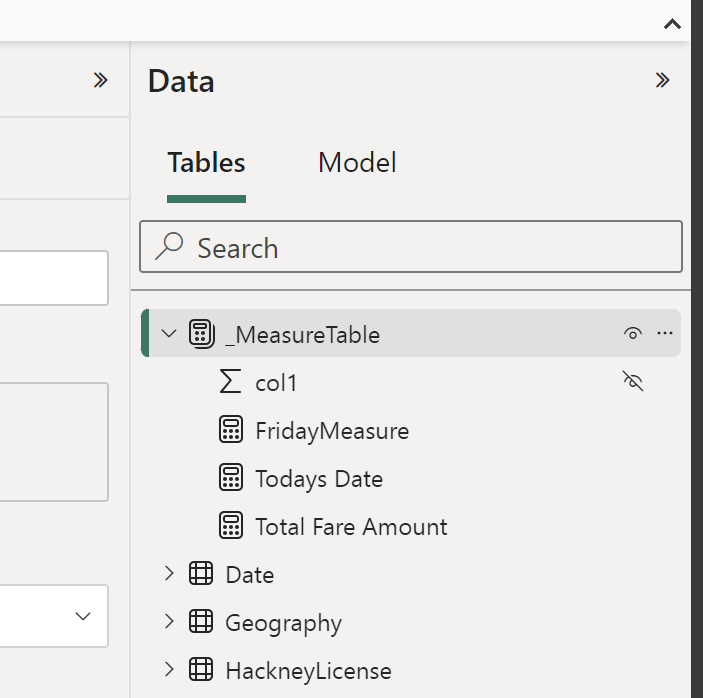
Creating Measure Tables in Microsoft Fabric Semantic Models Measure Tables have long been used to store Measures in Power BI Semantic Models. However, in Microsoft Fabric, where most of the data modeling takes place in the browser, at least if we wish to reap the benefits of the DirectLake storage mode, the process of creating…
 Downhill Data