jonvoge
-
Introduction On this blog we’ve previously covered quite a few areas of Translytical Task Flows: Having presented a few sessions on Translytical Task Flows at conferences in the past moths, there is one major recurring question: How do you write-back multiple records at once? If you ask me, the questions of bulk write-back/writing back multiple…
-

Introduction Recently, I’ve experienced a huge influx in requests from Microsoft Fabric customers wanting a good way for user’s to push data transformation upstream, following Roche’s Maxim: Data should be transformed as far upstream as possible, and as far downstream as necessary. To elaborate slightly, there are tons of Power BI Semantic Models out there…
-
Introduction We’ve arrived at the final level of detail in our series on Organizing your Microsoft Fabric Data Platform. So far we’ve covered, from broadest to narrowest scope: This time we go all the way down to the Item level on our platform, and describe strategies for labeling and categorising individual items by using Tags…
-
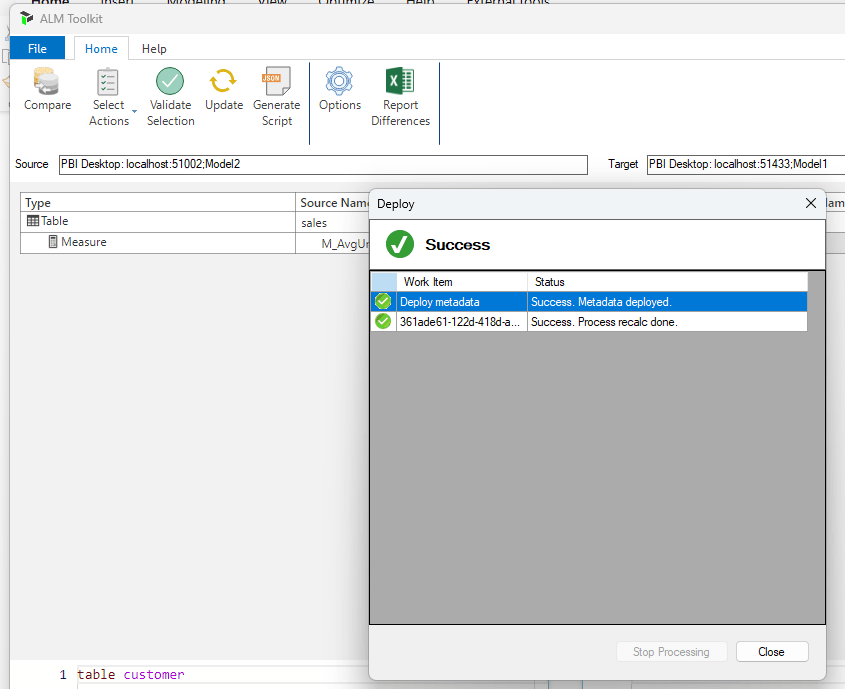
Introduction Recently, I was asked by a customer if I knew of a good way to merge the Calculated Measures of two different Semantic Models. The reason for this ask, was that the client was maintaining two separate Semantic Models using the exact same set of tables. The only difference was that one model was…
-
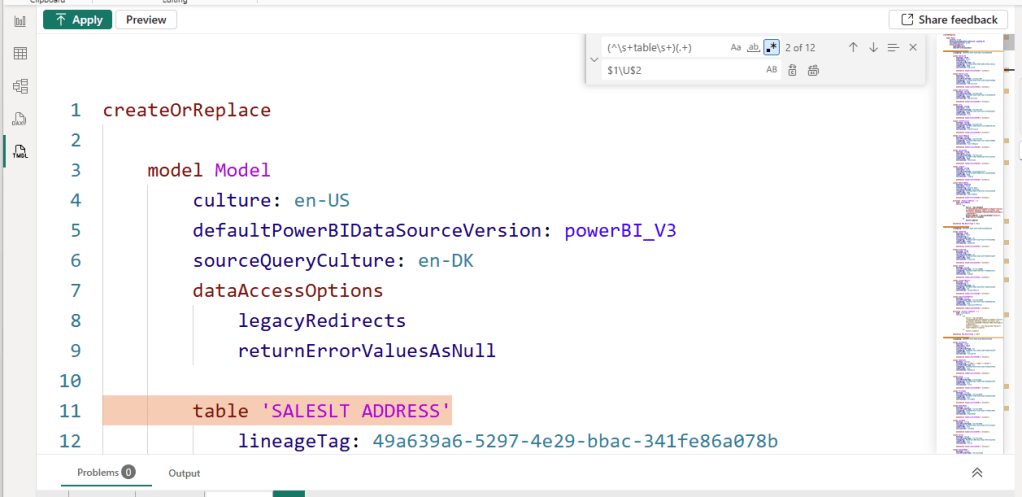
Introduction For this weeks blog, a quick tip about a feature in Power BI desktop which had flow entirely over my head: You can use RegEx for Find & Replace operations in Power BI Desktop TMDL View! Yes! You heard that right! I had no idea, until I caught it in a live demo by…
-
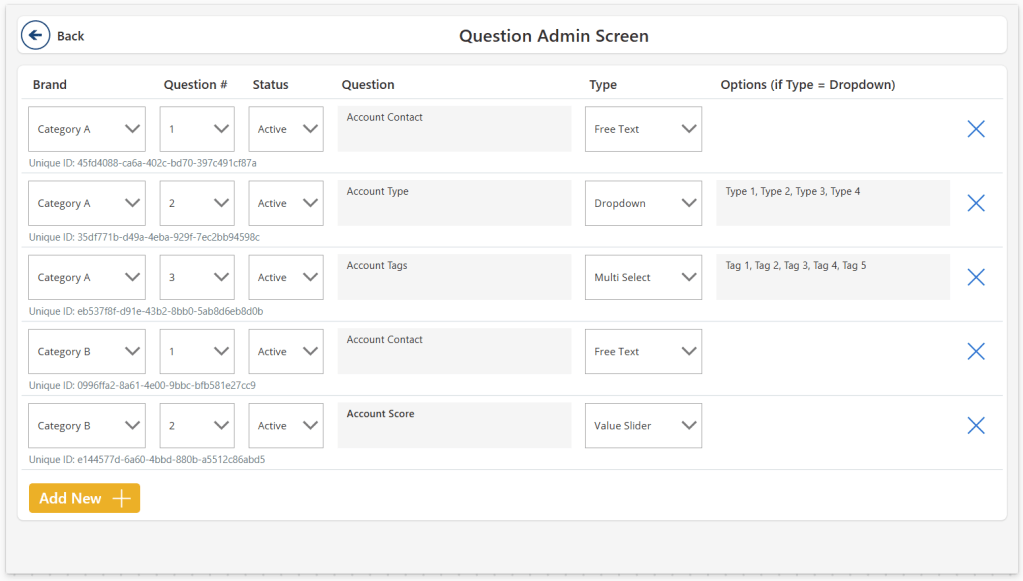
The concept of “User Defined Input Screens” allows users to create and manage input fields within a Power App, reducing reliance on developers. By utilizing collections and dynamic controls, admins can configure questions for various categories, dynamically displaying relevant inputs for end users. This approach streamlines data entry and adapts to evolving needs.
-

Introduction If you’ve been following this blog, you know that Fabric Governance and Administration is a topic I care deeply about. Previously we’ve covered Domains and Workspaces as constructs you can leverage for organizing your platform. Today, we handle the next level of detail: Workspace Folders. Every time I see a new Fabric Data Platform,…
-
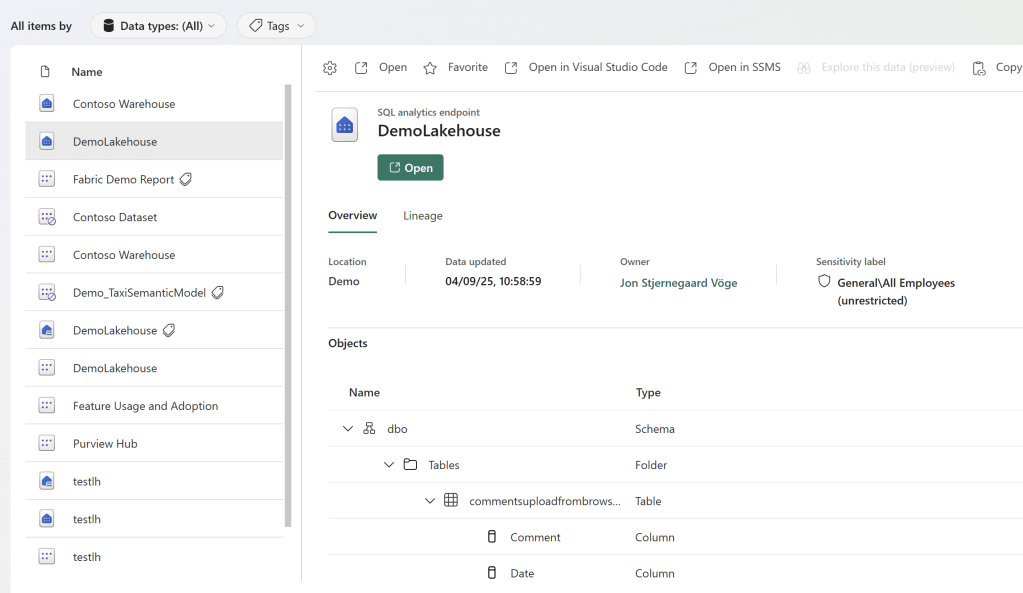
Introduction So you built a nice Data Platform on Microsoft Fabric. Users are happily using a few Models and Reports, but you face two problems: For my take on how best to solve this natively in Fabric, read on below. Discovering content you already have access to This one is reasonably simple. For content that…
-
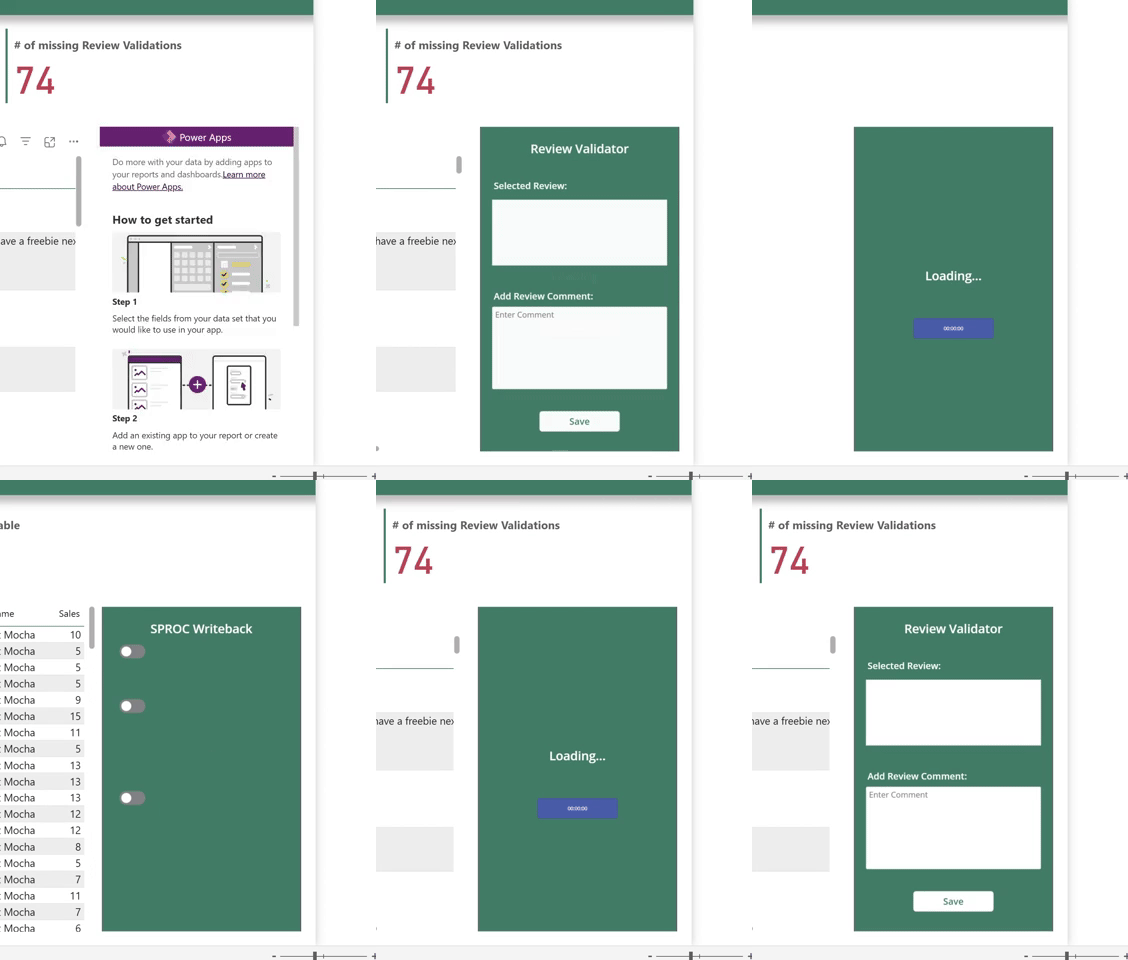
Introduction It’s been a while since I wrote a Power Apps article. But for my FabCon session demo I had to dig up one of my favourite tricks for embedded Power Apps: Dynamic Landing Pages for Embedded Power Apps. Picture the scenarios below. Scenario 1: Scenario 2: In either scenario, we would of course like…
-
Introduction We’ve previously on this blog covered Power Apps write-back for Power BI/Fabric comprehensively, and in the past months we’ve taken a stab at the Fabric Native solution: Translytical Task Flows. However, when comparing the different options, which solution actually comes out on top? The answer is, as always, it depends. Each of the sections…
 Downhill Data